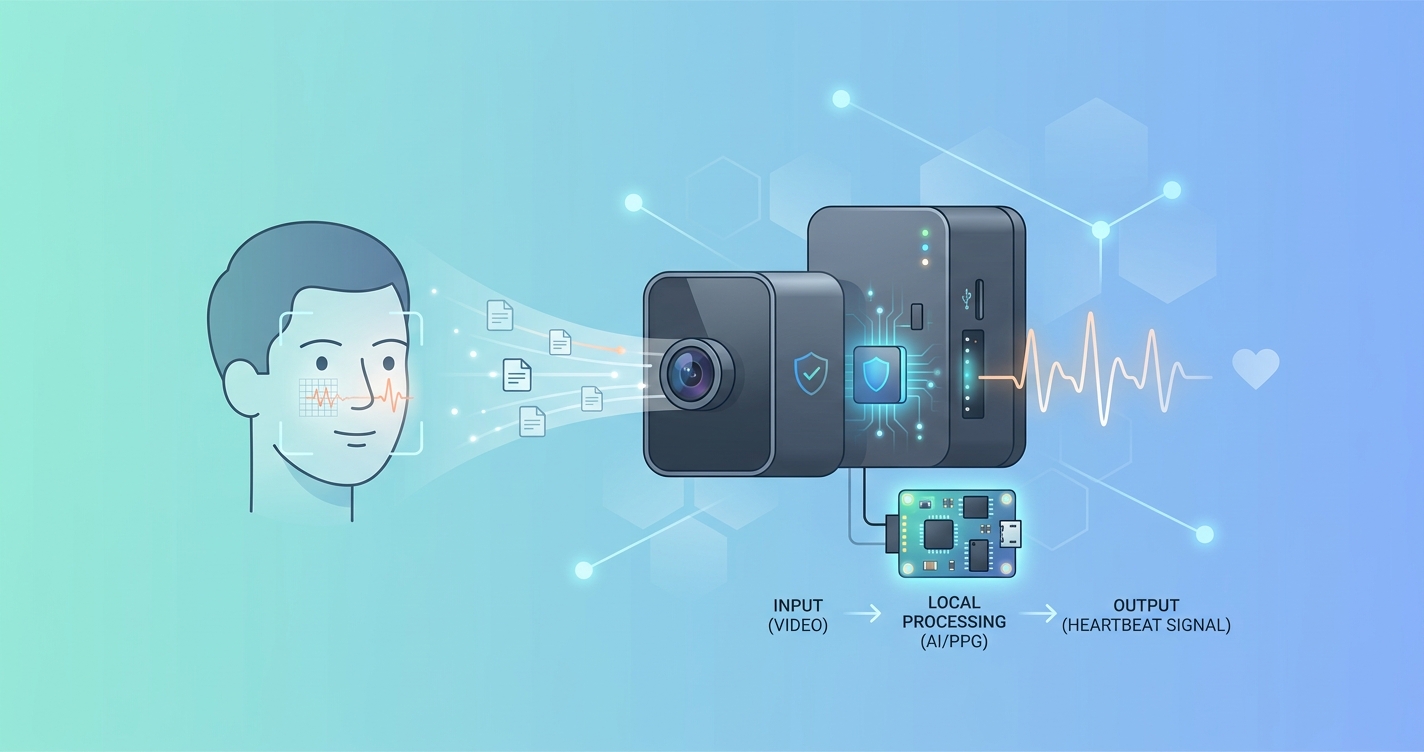
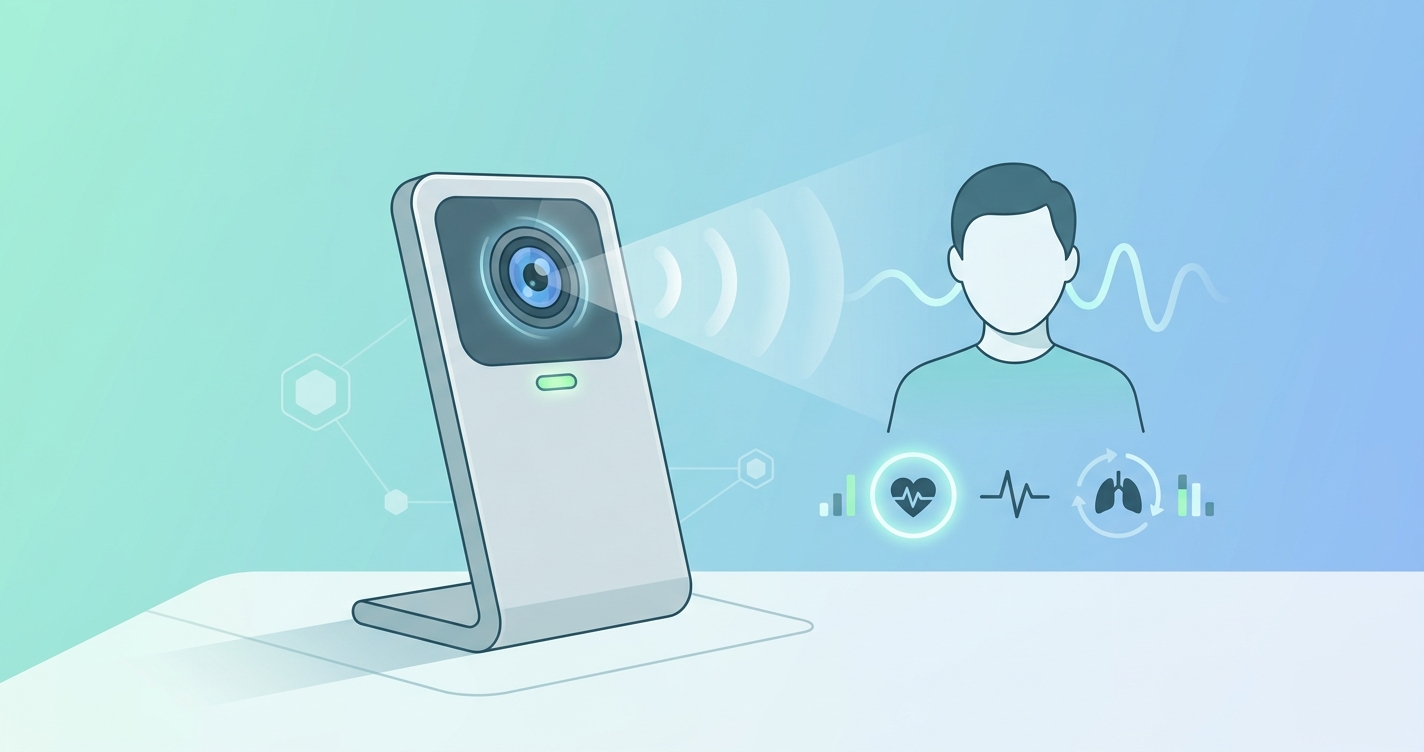
How IoT Device Makers Integrate Contactless Vital Signs
How IoT device contactless vital signs integration works across cameras, edge AI, firmware, and product architecture for OEM teams building health sensing devices.
Insights on health technology, vitals monitoring, and wellness from the TryVitalsApp team.

How IoT device contactless vital signs integration works across cameras, edge AI, firmware, and product architecture for OEM teams building health sensing devices.

What edge deployment rPPG embedded hardware means for OEMs, from latency and privacy to quantization, thermals, and camera-specific model design.

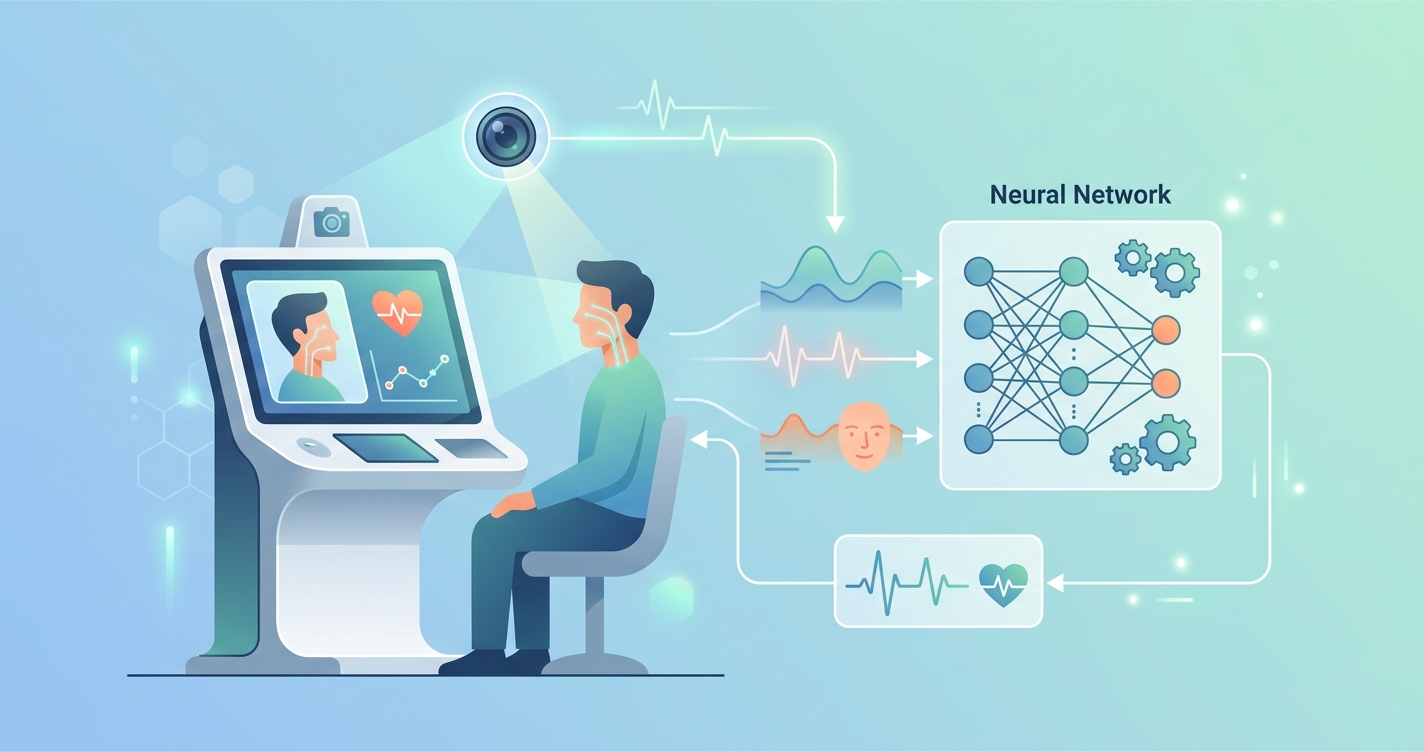
An industry guide to custom rPPG clinical kiosk camera training, covering kiosk optics, edge hardware, data collection, and the research behind camera-specific model design.

A comprehensive ranking of the top rPPG companies in 2026 for OEMs, hardware integrators, and platform builders evaluating contactless vital signs technology partners. Covers custom model capabilities, SDK flexibility, deployment speed, and industry focus.

An analysis of why generic rPPG models degrade on new camera hardware, and why camera-specific training is essential for OEMs, automotive Tier-1 suppliers, and IoT device makers shipping physiological sensing products.

A technical examination of building custom rPPG models for smart glasses and wearable camera platforms. Covers periocular signal extraction, ultra-low-power constraints, and model architecture decisions for head-worn physiological sensing.

A technical guide to optimizing rPPG model performance for low-light environments and NIR sensor hardware. Covers signal degradation mechanisms, sensor-level mitigation strategies, and model-training approaches for photon-starved imaging conditions.

A technical overview of custom rPPG model training for camera-specific hardware. Learn why OEMs and Tier-1 suppliers are investing in bespoke signal-extraction pipelines tuned to their sensor stacks.

A technical deep-dive into building custom rPPG models for infrared and thermal camera hardware. Covers NIR, SWIR, and LWIR modalities with applications for automotive, security, and industrial OEMs.

A technical analysis of how automotive OEMs and Tier-1 suppliers train rPPG models for driver monitoring systems. Covers NIR sensor integration, cabin-specific challenges, and the model-building pipeline for production DMS hardware.